AI Visibility by Engine: ChatGPT, Perplexity, Gemini, AI Overviews, AI Mode, Claude
4 minutes read
AI Visibility by Engine: ChatGPT, Perplexity, Gemini, AI Overviews, AI Mode, Claude
Ask your category's top question in ChatGPT right now. Then ask the same question in Perplexity, Gemini, Google AI Overviews, Google AI Mode, and Claude. You will get six different answers, six different sets of cited sources, and quite possibly six different verdicts on whether your brand is worth naming. That is the core problem with AI search engines visibility today: there is no single answer to measure, and most teams are not measuring any of them.
Direct answer: AI visibility is not one number. Each engine retrieves, ranks, and cites differently, so a brand can be recommended in Perplexity and invisible in Gemini at the same time. To manage it you need per-engine and per-country measurement, tracked over time, not a one-off spot check.
Your web analytics stops at the click. It cannot see the answer a buyer read before they ever reached a link, or the recommendation they acted on without clicking at all. That answer is the new shelf, and right now nobody on your team can see how you are placed on it. You cannot improve what you refuse to measure.
Why AI search engines visibility differs by engine
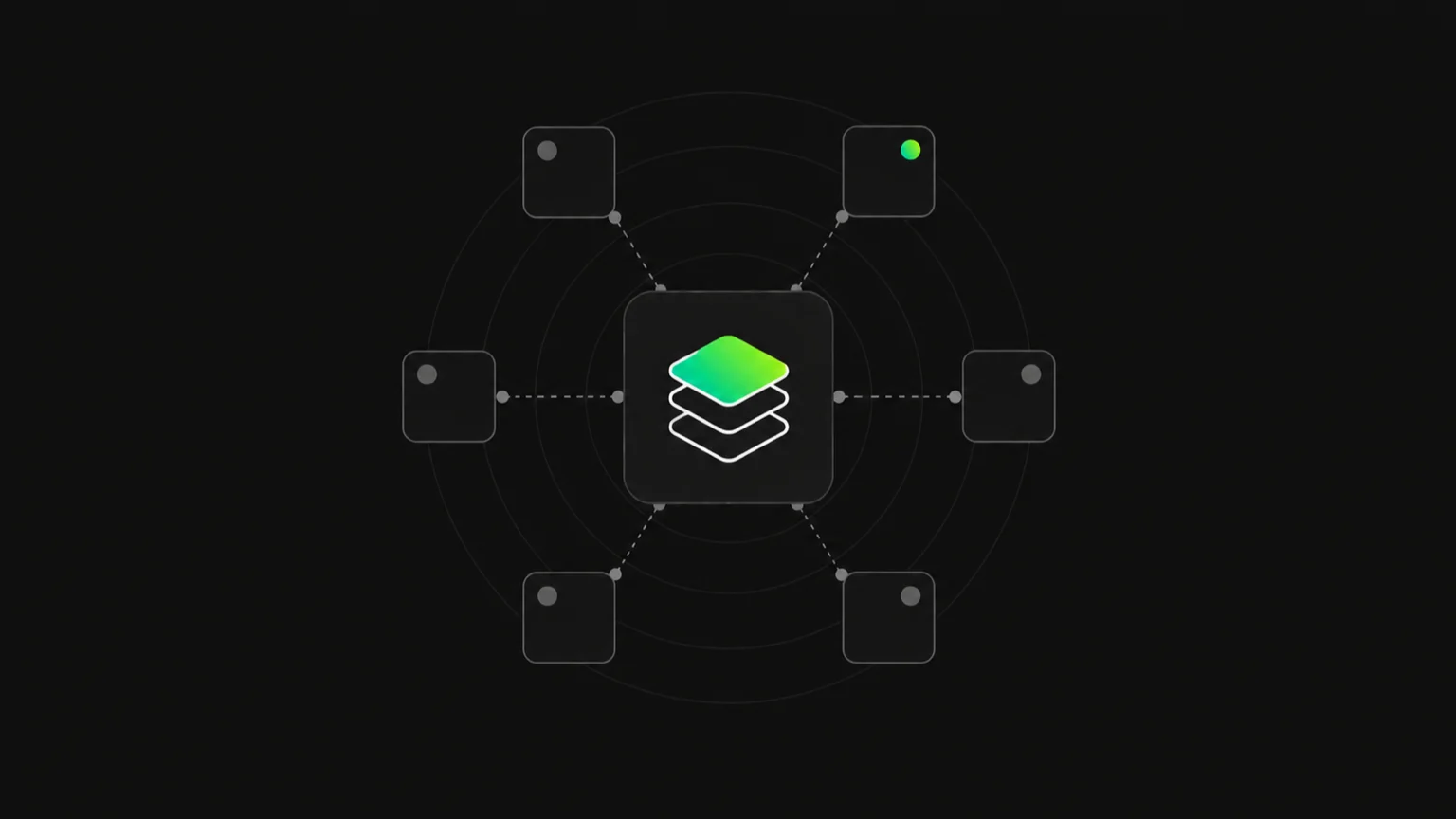
The six engines are not skins on the same model. They differ in the training and retrieval behind each answer, in how heavily they lean on live web sources versus model memory, and in how they attribute what they cite. Perplexity is citation-forward and surfaces its sources plainly. Google AI Overviews sits on top of the search index most of your buyers already use. Google AI Mode replaces the results page with a longer answer built from many background searches. ChatGPT and Claude answer conversationally and cite more selectively. Gemini blends Google signals with its own model behavior.
The practical consequence: being named in one engine tells you almost nothing about the other five. A per-engine breakdown is not a nice-to-have. It is the unit of truth.
What to watch on each engine
For every engine you track, four signals matter more than raw impressions:
- Visibility rate: how often the engine names your brand for a tracked prompt.
- Rank: where you land when several brands are named in one answer.
- Sentiment: whether the mention is positive, neutral, or a warning.
- Citations: which exact sources the engine pulled to build the answer.
Gensiv tracks six engines: ChatGPT, Google AI Overviews, Google AI Mode, Gemini, Perplexity and Claude. Watch each one separately. A rising visibility rate in Perplexity paired with a flat one in AI Overviews is a very different brief for your team than an even climb across the board.
Why per-country coverage matters too
The same prompt in the same engine can return a different brand list in Berlin than it does in Bangalore. Buyers in different markets get different recommendations, and a brand that dominates one region can be absent in the next. Gensiv covers 190+ markets with per-engine and per-country breakdowns and geo-targeting by country, so you see your real footprint instead of assuming your home market is the whole world.
| Signal | Vanity version | Decision-grade version |
|---|---|---|
| Presence | "We show up in AI" | Visibility rate per engine, per country, over time |
| Standing | "We rank well" | Named rank vs each tracked competitor |
| Tone | "The AI likes us" | Sentiment scored on every mention |
| Cause | "AI knows us" | The exact sources behind each answer |
Answer variance, and how we handle it
Run the same prompt twice and the wording changes. That is normal, and it is exactly why manual spot-checks fail: your signal drowns in run-to-run noise. Gensiv produces a stable visibility rate across that variance and runs on a schedule, daily on every plan, so you are reading a trendline instead of a single lucky or unlucky roll.
We measure neutrally and logged-out: fresh anonymous sessions, no account memory, no personalization. That is a deliberate choice. It is the difference between a decision-grade number and a rough approximation shaped by whatever your own logged-in history happens to be. We hold ourselves to it too. Gensiv tracks Gensiv with its own product and publishes the real numbers as we build in public.
Takeaway
There is no such thing as your AI visibility. There are six of them, across every market you sell into, and they move independently. Treat them as one number and you will optimize blind. Measure them per engine and per country, over time, and you have a brief your team can actually act on.
See if AI recommends your brand. Gensiv Pro starts at $99/month for 25 tracked prompts across all six engines, refreshed daily, at gensiv.com/signup, or book a demo on the site.
More blog posts to read
Reddit Answers vs Google AI Overviews vs ChatGPT
How Reddit Answers, Google AI Overviews and ChatGPT use Reddit, how each picks sources, and what it means for a brand that wants to be recommended.
October 22, 2026
Reddit Answers: What It Is and How to Show Up in It
Reddit Answers is Reddit's AI search built on real threads. How it picks what to say, how it differs from ChatGPT citing Reddit, and how brands show up.
October 6, 2026